
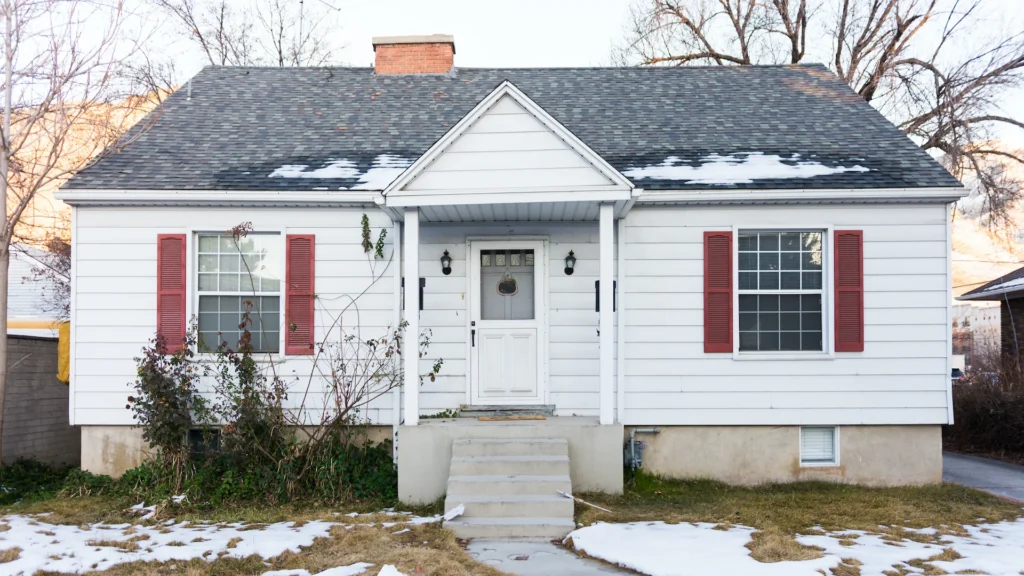
Before replacing the roof, emptying every room, or accepting an offer, determine whether the right people can legally sell the property.
An inherited house can have several problems at once. The title may still be connected to an estate. Taxes, a mortgage, or liens may be outstanding. The house may need major repairs. Tenants, personal belongings, or disagreements between heirs may further complicate the sale.
Treating everything as one large problem often leads to unnecessary spending and delays. A better approach is to separate the situation into four categories:
- Authority to sell
- Title, debt, and property records
- Physical condition
- Occupancy and belongings
Once those questions are clear, you can compare repairing the property, listing it as-is, or selling directly to a local buyer.
Quick Answer
To sell an inherited distressed house in Knoxville, confirm who has legal authority to sign, review the deed and title, identify mortgages, taxes, and liens, and evaluate the home’s condition. Then compare each option using estimated net proceeds—not only the highest offer price—before spending money on repairs.
1. Confirm Who Has Authority to Sell
The first question is not how much the house is worth. It is who can legally sign the purchase agreement and deed.
In Tennessee, ownership after death may depend on the deed, will, trust, probate proceedings, estate debts, and court orders. Being named executor does not automatically answer every ownership question.
The Tennessee Administrative Office of the Courts probate manual provides general information about estate administration and sales of estate real property. Because every estate differs, a Tennessee probate or real estate attorney should confirm who has authority to sell.
Before marketing the house, gather the deed, will or trust, certified death certificates, probate appointment documents, relevant court orders, and contact information for all heirs.
This is especially important when one family member lives in Knoxville while other heirs live outside Tennessee. A distant heir may still need to approve the sale or sign closing documents.
For more detail, see selling an inherited house during probate in Knoxville.
2. Review the Title, Taxes, and Property Records
A distressed house may have legal or financial problems that are not visible during a walkthrough.
The Knox County Register of Deeds maintains recorded documents such as deeds, deeds of trust, releases, powers of attorney, and certain liens. The Knox County Property Search can help you review available parcel, ownership, assessment, and sales information.
Check for:
- Mortgages and home-equity loans
- Delinquent property taxes
- Judgment or tax liens
- Unreleased deeds of trust
- Ownership-name discrepancies
- Boundary, access, divorce, or estate claims
- Municipal code notices
County tax questions can be directed to the Knox County Trustee. Properties inside Knoxville may also have city tax records through the City of Knoxville property-tax office.
Public records are useful starting points, but they do not replace a professional title examination. A title company, settlement company, or real estate attorney can identify debts that must be paid and documents needed for closing.
3. Separate Serious Repairs From Cosmetic Problems
Many heirs make one of two expensive mistakes: assuming the house is beyond repair or starting renovations before knowing whether the work will improve net proceeds.
A faded kitchen, worn flooring, and dated paint are different from a failing foundation, active roof leak, unsafe wiring, or damaged floor framing. Start with issues that may affect safety, financing, insurance, or structural stability.
| Property issue | First question to answer | Why it matters |
|---|---|---|
| Crawlspace moisture | Is the cause humidity, drainage, plumbing, termites, or structural damage? | Different causes require different repairs |
| Basement water | Is water entering through grading, walls, drains, or plumbing? | Cosmetic treatment may not solve the source |
| Roof damage | Is it actively leaking or simply old? | Active leaks can create more damage |
| Uneven floors | Is the cause settling, damaged joists, moisture, or foundation movement? | Repair costs can vary widely |
| Older electrical system | Is it acceptable to likely buyers, insurers, or lenders? | Financing and demand may be affected |
| Septic or well concern | Are the systems functioning and within the property boundaries? | Rural sales may need more investigation |
| Unpermitted addition | Is the work documented, safe, and recognized in local records? | Finished space may not add expected value |
Older ranch homes in Fountain City, Powell, Halls, and Karns may have deferred roof, plumbing, electrical, HVAC, or crawlspace work. Older homes closer to central Knoxville may have additions, basement moisture, outdated systems, or decades of belongings.
Rural properties in Knox County and nearby Anderson, Blount, Loudon, and Sevier counties may involve wells, septic systems, private roads, outbuildings, acreage, or boundary questions.
Do not approve a major repair simply because it could make the house easier to sell. First compare what the estate is likely to keep under each selling method.
For more guidance, see Selling a House As-Is in Knoxville, TN.
4. Clarify Occupancy, Tenants, and Personal Belongings
A house can be vacant and still contain an entire household of furniture, records, tools, and family possessions.
Before ordering a dumpster, look for estate documents, insurance records, family photographs, jewelry, vehicle titles, medications, keys, and other valuables. Agree in writing on who may remove items and how disputed belongings will be handled.
When tenants occupy the house, gather the lease, rent ledger, security-deposit records, notices, and maintenance history. Do not assume that a sale automatically cancels a lease or permits immediate removal of an occupant. A Tennessee attorney or qualified property manager can explain the applicable obligations.
What Not to Repair Before You Know the Numbers
Some improvements may increase marketability, but inherited-house renovations often become more expensive and time-consuming than expected.
Be cautious about starting:
- A complete kitchen or bathroom remodel
- Cosmetic work before investigating moisture or structural problems
- Roof replacement without comparing as-is offers
- Electrical or plumbing work without a clear scope
- Repairs approved by one heir but not the other owners
A structurally sound house may benefit from cleaning, minor repairs, and traditional marketing. A property with major deferred maintenance may not return enough additional value to justify a full renovation.
Compare Net Proceeds, Not Just Offer Prices
The highest offer does not always leave the most money for the estate.
Prepare a worksheet for each option:
Expected sale price
minus repairs and contractor overruns
minus cleanout and disposal
minus commissions and seller expenses
minus mortgage, taxes, and liens
minus insurance, utilities, lawn care, and security
equals estimated net proceeds
Also consider the workload placed on the executor or heirs. Coordinating contractors, inspections, showings, utilities, and family decisions can be difficult when decision-makers live in different cities.
Repair, List As-Is, or Sell Directly?
| Selling option | Often best when | Advantages | Limitations |
| Repair and list | The house has strong retail potential and the estate can fund improvements | Broad exposure and potentially higher price | Repair risk, commissions, inspections, appraisal, and carrying costs |
| List as-is | The house is marketable but the heirs do not want to renovate | MLS exposure without completing every repair | Buyers may request concessions or price reductions |
| Sell to a cash buyer | The house needs substantial work or simplicity is the priority | Fewer contingencies and no required repairs before marketing | Usually below the possible retail price of a repaired home |
| Keep and rent | The heirs want a long-term asset and agree on management | Potential income and appreciation | Repairs, tenants, taxes, management, and shared-owner disagreements |
| Sell at auction | The estate wants a defined sale event and accepts uncertainty | Competitive bidding and a set marketing period | Final price and expenses are uncertain |
A direct cash sale may fit when the estate lacks repair funds, the house is vacant and deteriorating, heirs live in different states, or the family values simplicity over maximum exposure.
It may not be the best choice when the house is move-in ready, repairs are limited, or the heirs have time for a conventional listing. A trustworthy buyer should be comfortable explaining when an agent-assisted sale may produce a better result.
What About Vacant-Property or Code Problems?
Vacant houses require attention even before the estate chooses a selling method.
The City of Knoxville’s Neighborhood Codes Enforcement addresses conditions such as unsecured structures, damaged exteriors, excessive vegetation, and accumulated trash.
Secure doors and windows, stop active leaks, maintain basic lawn care, and confirm that insurance remains appropriate for a vacant property.
An open code issue does not automatically make the house unsellable. Depending on the violation, the heirs may correct it, disclose it during an as-is listing, or sell to a buyer willing to handle it after closing.
Read more about selling a house with code violations in Knoxville.
What This Decision Might Look Like for a Knoxville Family
Three siblings inherit a 1960s ranch house in Fountain City. One lives in Knoxville, while the others live in North Carolina and Florida.
The roof leaks, the crawlspace holds water after heavy rain, the HVAC system is old, and the house contains decades of belongings. Before hiring contractors, the siblings obtain the deed, confirm who can sign, request mortgage and tax balances, and have the property evaluated.
A renovation could produce a higher price but require substantial cash and months of coordination. An as-is listing could reach more buyers but still involve cleanout, showings, and inspection negotiations. A direct sale would likely produce a lower gross price but remove most repair and cleanout work.
The family compares estimated net proceeds and chooses the option that best fits its finances and workload.
This is an example scenario, not a promise of a particular result.
Questions to Ask Any Knoxville Cash Home Buyer
Before signing a purchase agreement, ask:
- Are you the buyer, or do you plan to assign the contract?
- Can you provide proof of funds?
- Does the agreement contain inspection or partner-approval contingencies?
- Can the offer change after signing?
- Who selects the title or settlement company?
- Who pays each closing expense?
- Can unwanted belongings remain?
- What happens if probate or title work takes longer than expected?
- Does the contract create an option, lien, or memorandum?
- When can either party cancel?
Read every agreement carefully. Have a Tennessee attorney review complicated estate, title, or contract issues before signing.
Frequently Asked Questions About Selling an Inherited Distressed House
Can I sell an inherited distressed house in Knoxville as-is?
Yes. You can list the house as-is or sell directly to a buyer who accepts its current condition. You do not necessarily need to renovate first, although known material problems may still need to be disclosed when applicable.
Can I sell an inherited house before probate is completed in Tennessee?
Possibly. It depends on how ownership passed, what the will or trust says, who has authority to manage the estate, and whether court approval is required. A Tennessee probate attorney should confirm who can sign.
What happens if several heirs own the property?
The legal owners will generally need to agree and sign unless a will, trust, court order, or other authority provides a different process. Discuss the price, expenses, and distribution of proceeds before entering a contract.
Can an inherited Knoxville house be sold with a mortgage, liens, or back taxes?
Often, yes. Valid mortgages, taxes, and liens may be paid from the proceeds when the house has sufficient equity. A title company or real estate attorney should confirm balances and release requirements.
Should I repair an inherited house before selling it?
Not necessarily. Compare the expected as-is price with the likely repaired price after contractor costs, commissions, carrying expenses, and possible overruns.
Can I sell an inherited house with code violations in Knoxville?
Yes, depending on the violation and buyer. You may correct the issue, list the house as-is with appropriate disclosure, or sell to a buyer willing to address it after closing.
How long does it take to sell an inherited house in Knoxville?
The timeline depends on probate authority, title condition, cooperation among heirs, selling method, and buyer financing. Missing documents, unresolved liens, or ownership disputes can cause delays.
Is a cash buyer or real estate agent better for an inherited house?
An agent may be better when the house is market-ready and the heirs want maximum exposure. A cash buyer may fit better when major repairs are needed or the family prioritizes a simpler as-is sale.
Compare Your Options Before You Decide
The right solution depends on the house’s condition, who has authority to sell, the estate’s available cash, and what the heirs value most.
Confirm ownership and title, identify serious property problems, estimate carrying expenses, and compare likely net proceeds from a repaired listing, an as-is listing, and a direct sale.
If you want to sell an inherited house as-is without completing repairs, Knox Home Buyers can review the property and provide a local cash offer for comparison with your other options.
Learn how the Knox Home Buyers process works, review the frequently asked questions, or request a no-obligation cash offer.
There is no need to decide before you understand the numbers.
This article provides general educational information and is not legal, tax, financial, accounting, landlord-tenant, or estate-planning advice. Consult a qualified Tennessee attorney, tax professional, lender, housing counselor, title professional, or appropriate local government office regarding your circumstances.