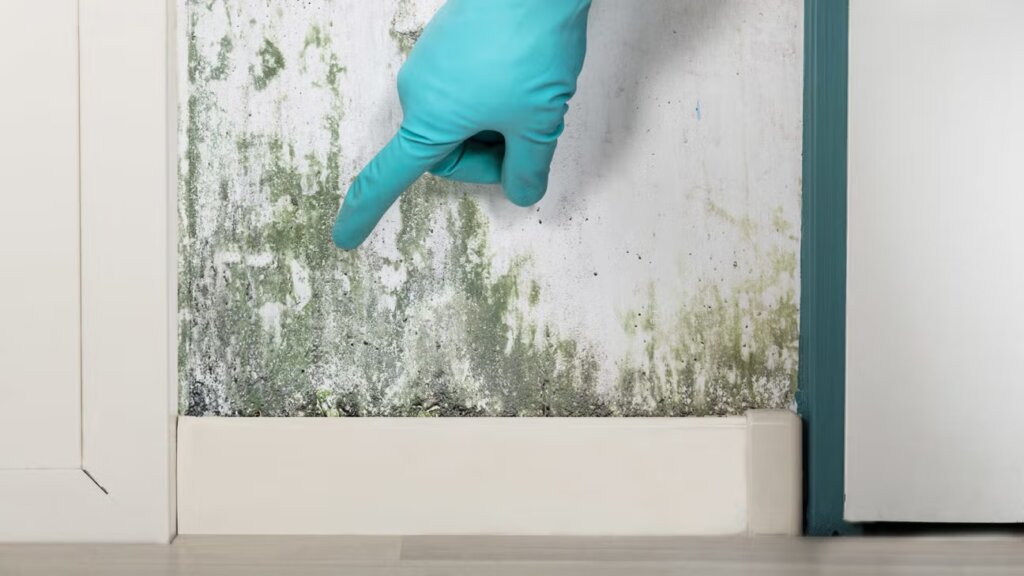
Discovering mold can make an already stressful home sale feel overwhelming. You may be concerned about remediation costs, inspections, disclosure requirements, financing problems, or moisture damage hidden behind walls and floors.
The good news is that you can often sell a house with mold problems in Knoxville, TN. Depending on your situation, you may remediate the problem before listing, sell the property as-is through a real estate agent, or request an offer from a buyer experienced with repair-heavy homes.
Knox Home Buyers created this guide to help Knoxville and East Tennessee homeowners compare those options without assuming that a cash sale is right for everyone.
Quick Answer: Can You Sell a House With Mold in Knoxville?
Yes. A Knoxville house with mold can generally be sold after remediation, through an as-is listing, or directly to a cash buyer. You may not have to complete mold remediation before selling, but known leaks, water intrusion, moisture damage, and other material property defects should be addressed honestly through the applicable Tennessee disclosure process.
Why Mold Complicates a Knoxville Home Sale
Mold is usually connected to an underlying moisture problem. Removing visible growth without fixing the leak, condensation, drainage issue, or humidity source may allow it to return.
The U.S. Environmental Protection Agency’s mold guidance explains that moisture control is the key to controlling mold. The EPA also recommends correcting the water problem rather than treating only the visible surface.
Common moisture problems in Knoxville and East Tennessee homes include:
- Roof leaks and storm damage
- Plumbing leaks inside walls or beneath floors
- Damp crawlspaces
- Basement seepage after heavy rain
- HVAC condensation or blocked drain lines
- Poor bathroom or kitchen ventilation
- Wet drywall, carpet, insulation, or wood
- Improper grading around the foundation
- Water damage in vacant or poorly maintained houses
These problems may affect older Craftsman homes, ranch-style houses, split-level properties, rental houses near the University of Tennessee, rural homes, and properties with basements or crawlspaces.
Mold does not automatically make a house unsellable. However, buyers may worry about remediation expenses, hidden structural damage, insurance availability, financing requirements, and whether the moisture problem has actually been corrected.
Do You Have to Remove Mold Before Selling in Tennessee?
You do not always have to remediate mold before selling. Some buyers are willing to purchase a house in its current condition and handle remediation after closing.
However, selling a property “as-is” should not be confused with hiding known defects.
The Tennessee Department of Health’s Healthy Homes guidance explains that the Tennessee Residential Property Disclosure Act generally requires most sellers to provide information about known defects, environmental hazards, flooding, drainage problems, and other property conditions.
A seller may need to address known mold, recurring leaks, previous flooding, water intrusion, or damaged building materials through the appropriate disclosure documents. Exemptions and property-specific circumstances may apply, particularly with some estates, fiduciary transfers, or court-ordered sales.
Speak with a qualified Tennessee real estate attorney or licensed real estate professional when you are uncertain about your responsibilities.
Disclaimer: This article provides general educational information. It is not legal, medical, tax, or financial advice.
Three Ways to Sell a Mold-Damaged House
Option 1: Remediate the Mold and List Traditionally
You can hire qualified professionals to identify the moisture source, remove affected materials, complete remediation, and repair the property before listing it.
This option may attract a larger pool of owner-occupant buyers and could support a higher asking price.
It may be suitable when:
- The affected area is limited
- The moisture source is easy to correct
- You have funds available for repairs
- You can manage contractors and inspections
- You are not under significant time pressure
The main risk is discovering more damage after work begins. A roof or plumbing leak may have affected insulation, framing, flooring, drywall, or electrical components.
The EPA provides additional information about mold cleanup in residential properties, including when professional assistance may be appropriate.
Option 2: List the House As-Is With an Agent
An as-is listing gives the property exposure to the open market without requiring you to complete every repair first.
Investors, renovation buyers, and some owner-occupants may be interested. However, an as-is listing does not necessarily prevent inspections, negotiations, financing issues, or buyer cancellations.
This option may work when you want wider market exposure but do not want to complete remediation yourself. For more information, review the guide to selling a house as-is in Knoxville.
Option 3: Sell Directly to a Cash Home Buyer
A direct buyer may purchase a mold-damaged home without requiring the seller to remediate the mold, replace damaged materials, stage the property, or prepare for repeated showings.
This may be practical when the house is:
- Inherited or involved in probate
- Vacant and continuing to deteriorate
- Occupied by tenants
- Facing foreclosure pressure
- Burdened by code violations
- Damaged by leaks or deferred maintenance
- Owned by someone living outside Tennessee
- Too expensive or stressful to repair
The trade-off is that a cash offer may be lower than the potential retail price of a fully repaired property. The buyer must account for remediation, reconstruction, holding costs, resale expenses, and the risk of hidden damage.
Comparing Your Selling Options
| Selling option | Best for | Main advantage | Main limitation |
|---|---|---|---|
| Repair and list | Sellers with time and repair funds | Larger traditional buyer pool | Upfront costs and contractor management |
| List as-is | Sellers wanting open-market exposure | Fewer seller-managed improvements | Inspections and financing may still delay closing |
| Direct cash sale | Sellers prioritizing convenience and certainty | No seller-managed repairs or staging | Offer may be below repaired retail value |
The highest advertised price is not always the option that produces the highest net proceeds.
Compare the expected sale price after subtracting:
- Mold remediation and reconstruction
- Real estate commissions
- Seller concessions
- Closing costs
- Mortgage payments
- Property taxes
- Insurance and utilities
- Cleaning and maintenance
- Holding costs during repairs and marketing
The guide to pricing a Knoxville house with major repairs explains how property condition and repair risk can affect an as-is value.
How to Sell a House With Mold Problems in Knoxville
Step 1: Identify the Moisture Source
Look for active plumbing or roof leaks, drainage problems, HVAC condensation, foundation seepage, or damp crawlspace and basement conditions.
Do not assume the problem has been solved because the visible mold was cleaned or painted over.
Step 2: Document What You Know
Gather photographs, inspection reports, repair invoices, insurance records, contractor estimates, and documents related to previous leaks or water damage.
Accurate information can help agents, contractors, and buyers evaluate the property more realistically.
Step 3: Decide Whether a Professional Assessment Is Useful
A qualified inspector, contractor, moisture specialist, or mold-remediation company may help determine the source and likely scope of the problem.
The Tennessee Department of Health’s environmental health information notes that indoor mold indicates the presence of a moisture problem. Routine air testing is not always necessary when mold or moisture damage is already visible, although a professional assessment may be useful when the extent is unclear.
Step 4: Compare Repair Costs With the Likely Benefit
Ask:
- What is causing the moisture?
- How much could remediation and reconstruction cost?
- Could hidden damage be discovered?
- How long will repairs take?
- What will I spend while holding the property?
- Will the repairs meaningfully increase my net proceeds?
Avoid committing to expensive work until you understand how it may affect the property’s marketability and final sale proceeds.
Step 5: Compare More Than One Selling Path
Consider obtaining input from:
- A local real estate agent
- A remediation or repair contractor
- An as-is property buyer
- A real estate attorney when disclosure or title questions exist
Comparing realistic estimates can help you understand the difference between repaired market value, as-is listing value, and a direct cash offer.
Step 6: Review the Contract and Closing Terms
Before accepting an offer, review:
- Purchase price
- Inspection and cancellation rights
- Required repairs
- Earnest money
- Closing date
- Closing-cost responsibilities
- Assignment provisions
- Property access terms
- Title and lien requirements
The Knox County Register of Deeds maintains official records involving deeds, deeds of trust, releases, liens, powers of attorney, and other real-property documents. A title or settlement professional will normally examine relevant ownership and lien records before closing.
Knoxville and East Tennessee Considerations
A mold-related sale often involves more than the visible growth.
A Fountain City or Bearden house may have aging plumbing or roofing. A South Knoxville property on a sloped lot may have drainage concerns. Houses in Powell, Halls, Karns, or Farragut may experience crawlspace humidity or HVAC condensation. Rural properties near Clinton, Maryville, Loudon, or Sevierville may also involve wells, septic systems, wooded lots, and limited drainage.
Rental properties near the University of Tennessee may involve additional concerns related to tenants, leases, deposits, maintenance responsibilities, and property access. Owners should review lease obligations and seek qualified guidance before entering or showing an occupied home.
If the property has an active municipal notice, the City of Knoxville Neighborhood Codes Enforcement office provides information about dilapidated buildings, abandoned properties, overgrown lots, and other code concerns.
Homeowners outside Knoxville city limits should contact the government office responsible for the property’s specific municipality or county.
How a Direct As-Is Review With Knox Home Buyers Works
A direct offer should be treated as one option to compare—not as a decision you must make.
1. Share Basic Property Information
Provide the property address and explain what you know about the mold, moisture source, repairs, occupancy, and title situation. You do not need to diagnose every problem before making contact.
2. Allow the Property to Be Reviewed
The buyer reviews the location, visible condition, likely repair needs, and relevant local market factors. Additional property access or documentation may be requested before an offer is finalized.
3. Compare the Offer With Your Other Options
Review the offer beside your estimated repair-and-list proceeds and any as-is listing estimates. Consider price, expenses, contingencies, closing certainty, and your preferred timeline.
Requesting an offer does not mean you must accept it. Read more about the company’s three-step home-buying process.
Example: Selling an Inherited Knoxville House With Mold
Consider a hypothetical inherited ranch-style home in Fountain City. The property has been vacant for several months. A roof leak caused ceiling stains, and the crawlspace has visible moisture and a musty odor.
The heirs could obtain estimates for roofing, crawlspace work, remediation, drywall, and flooring, then repair the home before listing it. They could also list the house as-is and wait for a renovation buyer.
A third choice would be requesting a direct offer based on the property’s present condition. The heirs could compare the estimated repaired net proceeds, as-is listing estimate, and direct offer before deciding which option provides the best balance of price, time, and convenience.
This is a hypothetical example. Actual values, repair expenses, and closing timelines vary.
Common Mistakes to Avoid
Painting Over Visible Mold
Paint or caulk does not correct an active moisture problem. Mold may return, and damaged materials may still need to be removed.
Ignoring the Source of the Water
Long-term mold control requires correcting the roof, plumbing, drainage, ventilation, humidity, or HVAC problem causing the moisture.
Assuming an As-Is Sale Eliminates Disclosure Duties
An as-is agreement describes the condition in which a buyer accepts the house. It should not be treated as permission to conceal known defects.
Accepting an Offer Without Comparing the Terms
A higher offer may become less attractive when it includes repair demands, long contingencies, uncertain financing, or unclear fees.
Looking Only at the Gross Sale Price
Compare the amount you are likely to keep after repairs, commissions, concessions, taxes, utilities, insurance, and holding expenses.
Allowing Active Water Intrusion to Continue
Even when you plan to sell as-is, reasonable action to stop an active leak may prevent additional damage to drywall, flooring, insulation, framing, and personal belongings.
Frequently Asked Questions
Can I sell a house with mold in Knoxville without fixing it?
Yes. A buyer may agree to purchase the property in its current condition. However, the contract terms and applicable Tennessee disclosure requirements still matter.
Do I have to disclose mold when selling a Tennessee house?
Known mold, leaks, flooding, water intrusion, or moisture damage may need to be included in the applicable property disclosure process. Consult a Tennessee real estate professional or attorney for advice about your property.
Is it better to remediate mold or sell as-is?
Remediation may attract more traditional buyers, but it requires time, money, and contractor management. An as-is sale may be preferable when the repairs are extensive or the seller prioritizes convenience.
How much does mold reduce a Knoxville home’s value?
There is no standard percentage. The effect depends on the moisture source, affected materials, repair scope, property condition, location, and risk of hidden damage.
Can I sell an inherited or vacant East Tennessee home with mold?
Yes. Inherited and vacant properties can often be sold as-is. Probate authority, heir approval, title records, liens, and property taxes may need to be addressed before closing. See the guide to selling an inherited Knoxville property as-is.
Does Knox Home Buyers purchase Knoxville houses with mold?
The company can review properties with mold, water damage, deferred maintenance, and other major repair needs. Any offer will depend on the property’s location, condition, title status, repair scope, and current market factors.
Need to Sell a Mold-Damaged House As-Is?
Selling a house with mold problems in Knoxville, TN does not mean you are out of options. You can remediate the property, list it as-is, or compare a direct cash offer with the cost, risk, and time involved in completing repairs.
If you want to sell as-is without managing remediation, Knox Home Buyers can review the property and provide a local cash offer. You can compare that offer with your other options and decide what makes the most sense without pressure.
Use the contact page to ask questions or share basic information about the property.