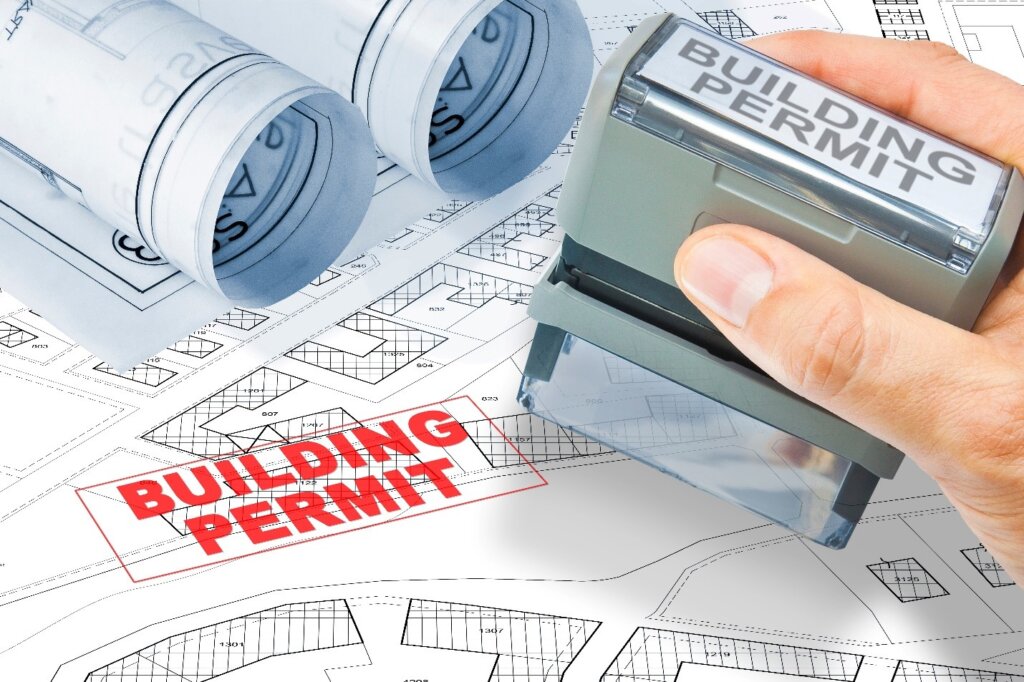
Finding an open building permit when you are preparing to sell a house can create a lot of questions.
Maybe a contractor finished a renovation but never completed the final inspection. Perhaps a previous owner added a deck, remodeled part of the house, or started an addition that was never finished. If you inherited the property, you may have no idea who did the work or why the permit remains open.
The first question is usually simple: Can you still sell the house?
In many situations, yes. An open building permit does not automatically make a Knoxville property impossible to sell. However, the issue can affect buyer confidence, inspections, financing, negotiations, and the path to closing.
This guide from Knox Home Buyers explains how homeowners can investigate an open permit, understand the local process, and compare selling options without assuming that repairs or a cash sale are automatically the right answer.
Quick Answer: Can You Sell a House With an Open Building Permit in Knoxville?
Yes, it may be possible to sell a house with an open building permit in Knoxville, TN. The practical difficulty depends on why the permit remains open, whether the work is complete, which government office has jurisdiction, the condition of the property, the buyer’s financing, and the requirements of the transaction.
The best first step is usually to verify what the permit covers and why it remains open before spending money on repairs.
An Open Permit Can Mean Different Things
Homeowners sometimes hear the words open permit and assume the worst.
But the real question is not simply whether a permit is open. It is what remains unresolved.
The work may be finished, but the permit process was not completed
A previous owner may have completed a deck, addition, electrical project, plumbing update, HVAC installation, or renovation while failing to complete the final permit or inspection process.
The project may look finished while the official record still shows an unresolved status.
For properties under City of Knoxville jurisdiction, homeowners can start with the official City of Knoxville permit and record resources. The City’s Plans Review and Inspections department provides permit, application, inspection, and inquiry information.
The project may have been abandoned
Renovations are sometimes left unfinished because:
- A contractor stops working.
- The homeowner runs out of renovation funds.
- Plans change during construction.
- The owner dies during the project.
- A property enters financial distress.
- An investment property changes hands.
In this situation, the open permit may be only one part of a larger property-condition problem.
A partially completed addition with exposed wiring or unfinished plumbing is very different from a completed project that appears to be missing a final administrative step.
The work may require further evaluation
Some situations involve missing documentation, incomplete work, inspection questions, or possible corrections.
Do not assume that the answer is always to hire a contractor immediately. First understand the permit record and the scope of the original work.
First Local Question: Which Office Has Jurisdiction Over the Property?
This is one of the most important local questions.
A property may use a Knoxville mailing address without every permit issue necessarily being handled by the same office.
For properties within City jurisdiction, the City of Knoxville Plans Review and Inspections Department handles services related to permits, plans review, inspections, and associated development processes.
Homeowners can also use KGIS Maps to search Knox County information by address, parcel, or owner.
This distinction matters because homeowners should not follow permit instructions for one jurisdiction without confirming that the office actually has authority over the property.
The same principle applies to homes in and around Farragut, Oak Ridge, Clinton, Maryville, Alcoa, Lenoir City, Loudon, Sevierville, Pigeon Forge, and other East Tennessee communities.
Start by identifying the property and the correct jurisdiction. Then investigate the permit.
Five Questions That Tell You How Serious the Permit Problem May Be
Not every open permit creates the same selling challenge.
Before deciding whether to repair, list, or sell as-is, answer these five questions.
1. What work does the permit cover?
The scope matters.
The permit may involve:
- An addition
- Structural alterations
- Electrical work
- Plumbing
- HVAC
- A deck or porch
- A garage conversion
- Basement finishing
- Major repair work
- Interior remodeling
A buyer may view questions about major structural construction differently from a smaller project with clear documentation.
2. Is the work actually complete?
Do not answer this based only on appearance.
This can be difficult with an inherited property because the current owner may have no firsthand knowledge of work performed years earlier.
A landlord may also have incomplete records after several tenants, repairs, and contractors.
Gather facts before making statements about the project’s history.
3. What records are available?
Look for:
- Contractor invoices
- Receipts
- Plans or drawings
- Inspection documents
- Photographs taken during construction
- Warranty information
- Emails with contractors
- Previous closing paperwork
- Permit numbers
These records may help the permitting office, contractor, inspector, attorney, buyer, or settlement professional understand the history.
If the property was inherited and the permit issue is only part of a larger estate decision, review the guide to selling an inherited house in Knoxville.
4. What type of buyer are you considering?
Different buyers evaluate unfinished work differently.
A traditional buyer using mortgage financing may face appraisal, property-condition, or loan-program requirements. For example, the current Fannie Mae Selling Guide contains specific requirements for verifying completion and handling certain postponed improvements. That does not mean every open permit automatically prevents financing, but it shows why substantial unfinished work can matter in a financed transaction.
A renovation buyer, landlord, or real estate investor may evaluate the same property differently.
5. Is the permit the only property problem?
This question can change the selling strategy.
An open permit may be manageable when the rest of the house is in good condition.
The calculation changes when the property also has:
- Crawlspace moisture
- Basement water intrusion
- Foundation or settling concerns
- Roof damage
- Outdated electrical systems
- Plumbing problems
- HVAC failure
- Fire or storm damage
- Deferred maintenance
- Tenant damage
- Code violations
- Years of accumulated belongings
When several problems overlap, resolving one permit issue may not make the house market-ready.
For related local guidance, see how to sell a house with code violations in Knoxville.
What to Do After Finding an Open Building Permit
A calm, fact-based process can help you avoid paying for unnecessary work or making rushed selling decisions.
Step 1: Verify the permit record
Start with the property address, parcel information, and permit number if available.
Try to determine:
- What the original project involved
- When the permit was issued
- What inspections appear in the record
- What status is shown
- Which department handles questions about the permit
For applicable City properties, the City also maintains official inspection information and resources.
Step 2: Confirm the jurisdiction
Before paying a contractor or relying on general advice, confirm which city or county office is responsible for the property.
This is especially important for homes outside Knoxville city limits and properties elsewhere in East Tennessee.
Step 3: Create a property history file
Gather every document connected to the project.
For an inherited family home, ask relatives whether they know:
- Who performed the work
- Approximately when it started
- Whether inspections took place
- Where receipts were stored
- Whether an engineer, architect, or contractor was involved
Even incomplete information may help establish a timeline.
Step 4: Ask what is actually unresolved
Contact the appropriate permitting authority and ask about the specific record.
Useful questions include:
- What does the current status mean?
- Does the record show outstanding inspections?
- What documents are available?
- Which department handles questions about this permit?
- What should the homeowner do next to understand the status?
Avoid assuming you need a complete renovation before you know what the record actually shows.
Step 5: Get the right professional involved when needed
Depending on the situation, a homeowner may need help from:
- A licensed contractor
- A home inspector
- A structural engineer
- An electrician or plumber
- A real estate attorney
- A title or settlement professional
- A tax professional
- A real estate agent
The right professional depends on the problem.
A structural concern requires different expertise from a title question or Tennessee seller-disclosure issue.
Step 6: Compare the complete financial picture
Do not compare options using the sale price alone.
Consider:
- Repair expense
- Permit-related work
- Contractor availability
- Mortgage payments
- Property taxes
- Insurance
- Utilities
- Cleanup
- Yard maintenance
- Moving expenses
- Real estate commissions when applicable
- Buyer concessions
- Holding time
- Contract contingencies
A higher gross price does not always produce the best net or practical result after expenses and time are considered.
For a broader look at different sale paths, read the step-by-step guide to selling a house fast in Knoxville.
Which Selling Option Makes the Most Sense?
There is no single best solution for every property.
| Selling Path | May Be a Good Fit When | Main Advantage | Main Trade-Off |
|---|---|---|---|
| Resolve the issue, then list | The problem appears manageable and the house is otherwise market-ready | May reduce uncertainty for buyers | Requires time and possible upfront expense |
| List the house as-is | The property still has broad market appeal | Greater exposure to potential buyers | Inspections, financing, and negotiations may remain |
| Compare a direct cash sale | The house has substantial repairs or unfinished construction | Can simplify a complicated property sale | Offer may be lower than potential repaired retail value |
| Finish the renovation first | The owner has capital, time, and project-management ability | May improve condition and marketability | Requires money, coordination, and continued carrying costs |
Resolving the issue first may make sense when:
- The work is substantially complete.
- The problem appears limited.
- Documentation is available.
- The home is otherwise in marketable condition.
- You have time to manage the process.
An as-is listing may make sense when:
- You want broader market exposure.
- The property remains attractive despite the issue.
- You have time for inspections and negotiations.
- You are comfortable with possible buyer contingencies.
For more detail, see the complete guide to selling a house as-is in Knoxville.
A direct sale may be worth comparing when:
- The renovation was abandoned.
- The property needs several major repairs.
- The house is vacant or inherited.
- You live outside the area.
- The property has serious deferred maintenance.
- You do not want to manage contractors and inspections.
Knox Home Buyers provides information about its direct purchasing process on its FAQ page. Homeowners should compare any direct offer with their realistic repair-and-list and as-is listing alternatives before deciding.
Local Example: An Inherited Knoxville Ranch With an Unfinished Addition
Consider a hypothetical situation.
A family inherits an older ranch-style house in the Knoxville area. While cleaning the property, they discover documents connected to an addition started several years earlier.
The addition has a roof and exterior walls, but the interior remains unfinished. The family lives outside Tennessee and does not know the inspection history.
The original house also needs HVAC work, flooring, cleanup, and crawlspace attention.
The family could investigate the permit, hire appropriate professionals, finish the project, repair the rest of the property, and then list it.
They could ask a local real estate agent whether an as-is listing is realistic.
Or they could compare direct offers from buyers willing to evaluate the unfinished construction and the rest of the property in its present condition.
The key lesson is simple:
The open permit should be considered as part of the entire property situation—not in isolation.
This is a hypothetical example, not an actual customer story or Knox Home Buyers transaction.
Open Permit vs. Unpermitted Work vs. Code Violation
These terms are related, but they are not interchangeable.
Open permit: A permit record exists, but the permit process appears unresolved or incomplete.
Unpermitted work: Construction or alterations may have been completed without a required permit.
Code violation: A property condition may conflict with applicable building, safety, maintenance, zoning, or other local requirements.
A property can involve more than one issue.
For example, a vacant inherited house could have an unfinished permitted addition, other undocumented remodeling work, and separate property-maintenance concerns.
That is why homeowners should investigate the actual records rather than trying to diagnose the situation from a single label.
Common Mistakes to Avoid
Spending money before understanding the permit
Verify the record before assuming you need demolition, major repairs, or a complete renovation.
Assuming every Knoxville address follows the same process
Confirm the property’s jurisdiction first.
Treating the permit as the only issue
Look at the whole house. Roof problems, moisture, structural concerns, tenant damage, or deferred maintenance may have a greater effect on the selling decision.
Waiting until closing is near
Researching the issue early gives you more time to understand the problem and compare options.
Assuming “as-is” means nothing matters
An as-is sale does not eliminate every legal, contractual, title, or disclosure issue. Tennessee maintains a statutory residential property disclosure framework, and property-specific legal questions should be reviewed with a qualified professional. The Tennessee Real Estate Commission also maintains official forms and resources for real estate professionals and consumers.
Frequently Asked Questions About Selling a House With an Open Building Permit
1. Can you sell a house with an open building permit in Knoxville, TN?
Yes, it may be possible. The impact depends on why the permit remains open, whether the work is complete, the property’s condition, the buyer’s financing, and the requirements of the transaction.
2. Does an open building permit have to be closed before selling a house in Tennessee?
Not necessarily in every transaction. However, an unresolved permit may raise questions during inspections, financing, negotiations, or closing. Verify the specific status early and get professional guidance when needed.
3. Can an open permit delay the closing of a home sale?
Yes. A delay may occur when additional information is needed about unfinished work, inspections, repairs, or the permit record. Researching the issue before accepting an offer can give the seller more time to evaluate solutions.
4. Can an open building permit affect mortgage financing?
Potentially. An open permit does not automatically mean financing will be denied, but significant incomplete construction or repair issues can matter during appraisal and underwriting. Requirements vary by lender, property, and loan program.
5. How do I check whether my Knoxville house has an open permit?
For property within applicable City jurisdiction, start with the City of Knoxville’s permit and Plans Review and Inspections resources. KGIS Maps can also help with Knox County address and parcel research. Confirm the correct jurisdiction before following a specific process.
6. What if the previous owner opened the permit?
Find out what work the permit covered and what the current record shows. Gather available invoices, plans, photographs, inspection documents, and contractor information before deciding what to do next.
7. How long does it take to resolve an open building permit in Knoxville?
There is no single timeline. Timing can depend on the type of work, permit history, inspections, documentation, contractor availability, property condition, and any corrections that may be needed.
8. Can I sell a Knoxville house as-is with an open permit?
An as-is sale may be possible, depending on the buyer and transaction. Compare an as-is listing with other options based on likely net proceeds, repairs, contingencies, financing risk, responsibilities, and timing.
9. Should I resolve the permit or sell the house as-is?
Resolving the issue may make sense when it is manageable and the home is otherwise market-ready. Selling as-is may be worth comparing when the property also has unfinished construction, major repairs, vacancy, inherited-property complications, or extensive deferred maintenance.
What to Do Next If Your Knoxville House Has an Open Permit
An open building permit is a reason to investigate—not a reason to panic.
Before deciding how to sell, determine:
What work was permitted?
What remains unresolved?
Which office has jurisdiction?
What would it realistically cost in time and money to address the situation?
How does the permit fit into the overall condition of the house?
What would each selling option leave you with after expenses and responsibilities?
For some Knoxville homeowners, resolving the permit issue and pursuing a traditional sale may make the most sense.
For others—especially those dealing with an inherited property, unfinished renovation, vacant house, difficult rental, code concerns, or several expensive repairs at once—an as-is sale may be worth comparing.
If you want to sell as-is without repairs, Knox Home Buyers can review your property and provide a fair local cash offer. You can compare that option with repairing the property or listing traditionally and decide which path makes sense for your situation.
The goal is not to rush into a sale. It is to understand the problem, use reliable local information, compare the true costs of each option, and make a decision you are comfortable with.
This article is for general educational purposes and is not legal, tax, financial, engineering, lending, insurance, contracting, or real estate brokerage advice. Permit and closing situations vary by jurisdiction, property condition, project history, buyer, lender, and contract. Consult appropriate local officials and qualified professionals for property-specific guidance.